Micrometer-level precision + AI-driven: Intelligent upgrade of low-dielectric electronic fabric quality inspection
Published: 2026-06-24 17:32:19
Return to list
Low-dielectric electronic cloth is a type of cloth with a low dielectric constant (Dk) and low dielectric loss (DfElectronic-grade glass fiber cloth, with its core advantage, significantly reduces energy loss during signal transmission, improves signal integrity and transmission speed, and meets the demands of modern electronic devices for high-performance materials. It is used in high-frequency, high-speed printed circuit boards (PCBs).PCBThe core reinforcing material is typically less than the thickness of a human hair.1/3But in5GIt plays an irreplaceable role in fields such as communications, artificial intelligence hardware, data centers, and smart cars, and has become one of the most promising sub-sectors in the field of electronic materials.
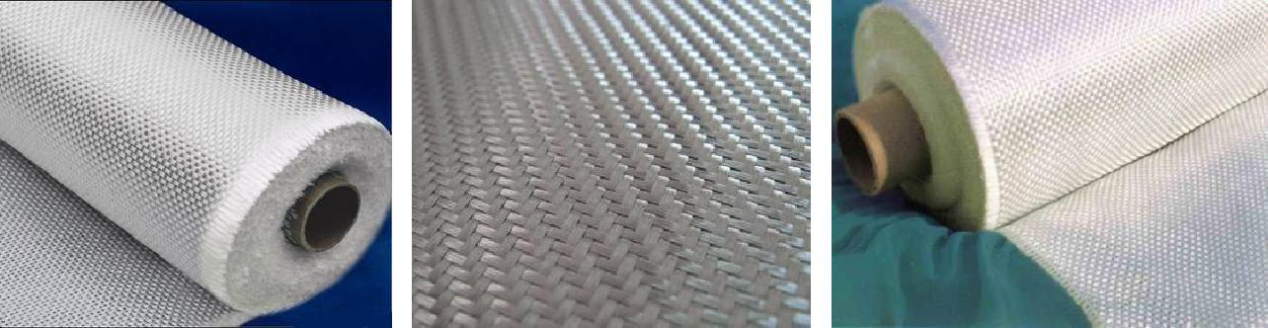
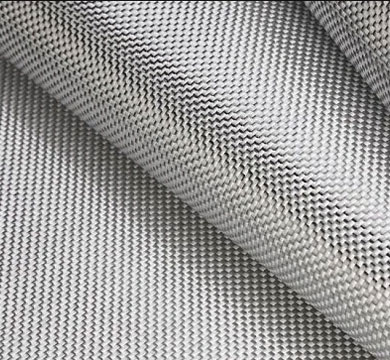
Fiberglass electronic cloth
Project Introduction
Traditionally, surface defect detection of low-dielectric electronic fiberglass cloth relies on manual visual inspection. Inspectors must continuously perform real-time visual inspection, defect recording, and processing on a high-speed production line, which severely limits efficiency and accuracy. It is estimated that in fabrics with a width of approximately...2meters, operating speed reaches15-20rice/Under conditions of 1 minute, even skilled workers, affected by visual fatigue and subjective judgment differences, typically have a defect detection rate of only about 100%.60%Furthermore, the complex texture and diverse types of defects in the electronic fabric itself further increase the difficulty of manual identification. Prolonged, high-intensity, focused work not only easily leads to worker fatigue and affects their health, but also increases the risk of missed or false detections.——Missed inspections directly threaten product quality consistency, while false inspections waste time and reduce production efficiency. This inspection method, which relies heavily on manual labor, is not only inefficient but also accompanied by continuously increasing labor and management costs.
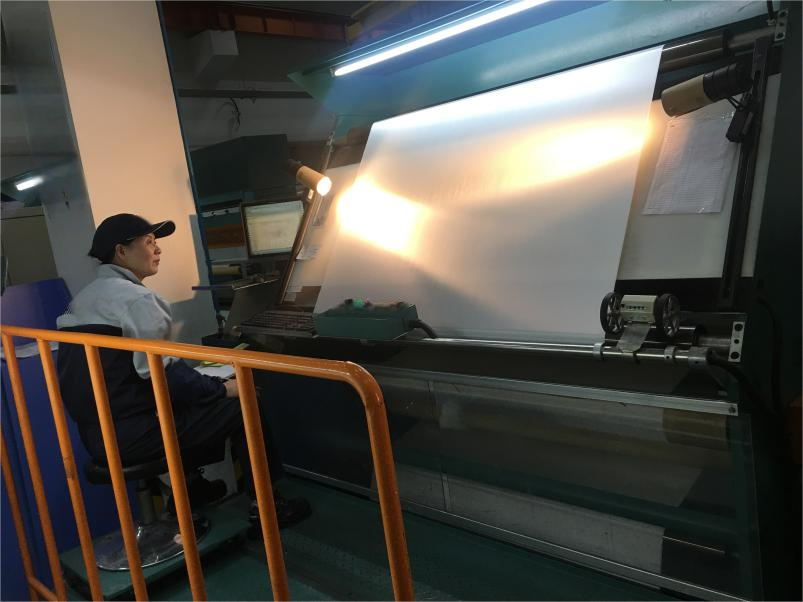
Traditional manual visual inspection of fiberglass electronic cloth
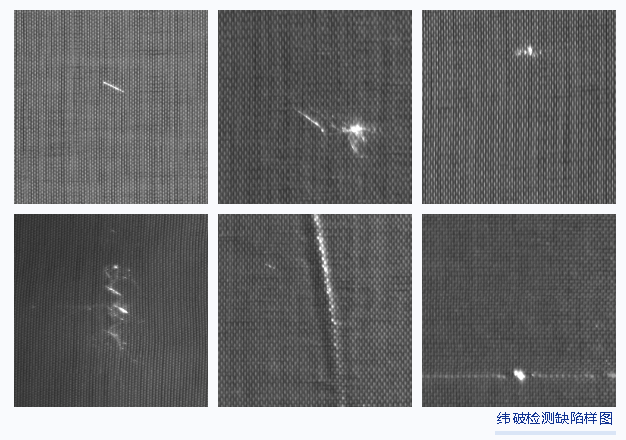
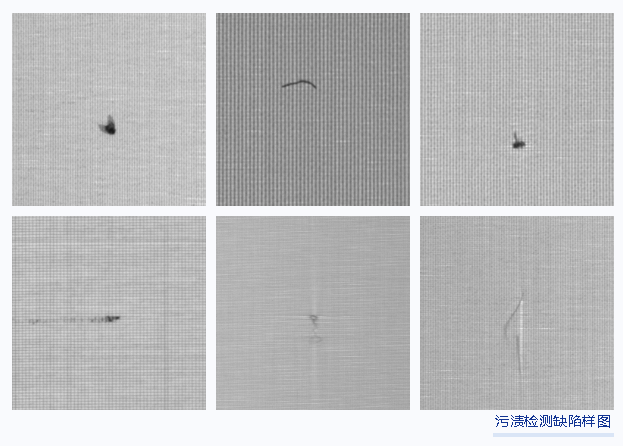
To meet the high-end market's demand for testing low-dielectric electronic fabrics, Xi'an Huode, drawing on years of experience with fabric inspection machines, has developed...Low-dielectric electronic fabric intelligent fabric inspection systemThe system uses a multi-group imaging method to acquire images of low-dielectric fabrics, and can detect various common defects in low-dielectric electronic fabrics.Detection accuracy reached0.05mmThe detection speed can reach up to120meters per minuteAnd adopt artificial intelligenceAIThe technology categorizes and statistically analyzes various defects, generating diverse reports. It has been comprehensively upgraded, particularly for detecting weft-shaped fraying and small-area stains!
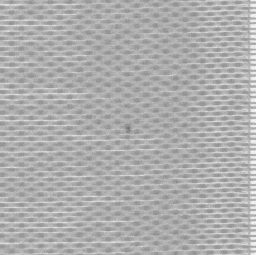
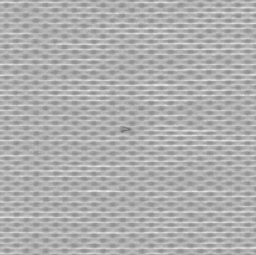
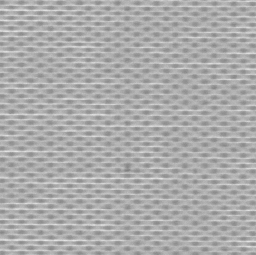
Detection accuracy reaches the micrometer level
Machine vision solutions
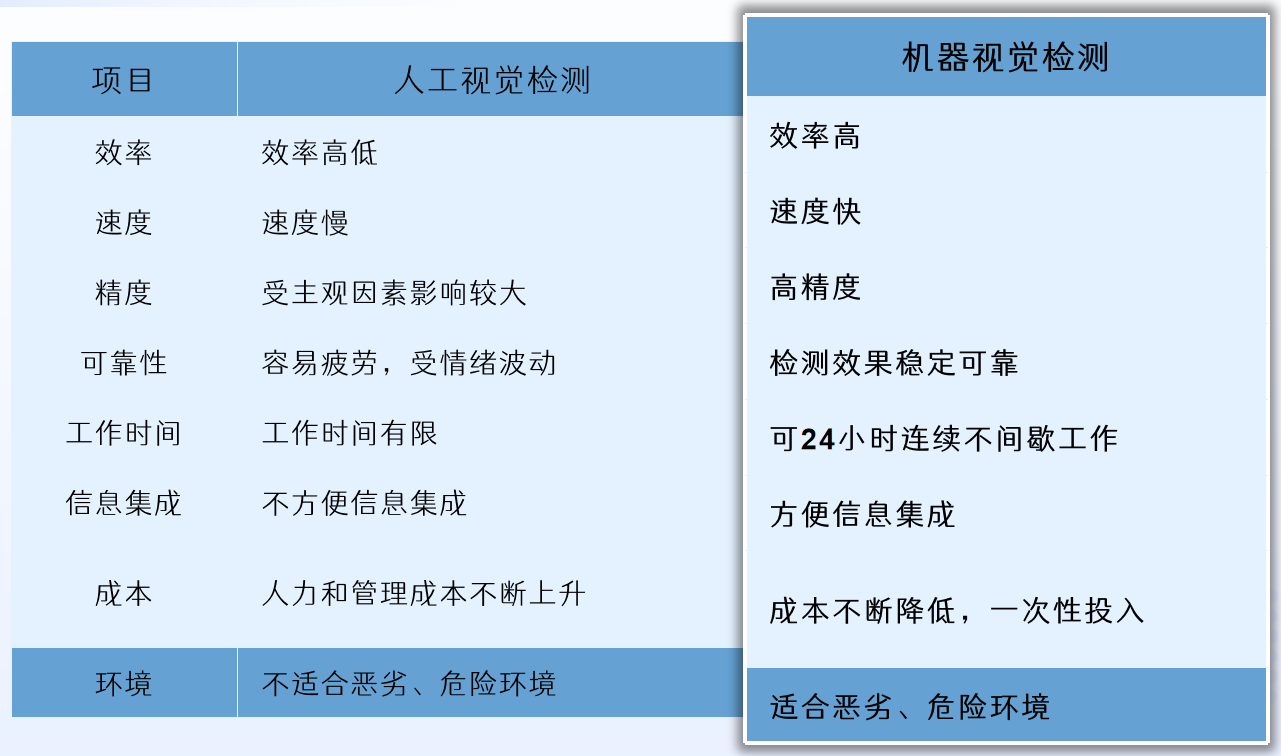
Image acquisition process
When the fabric inspection machine is running, the rotary encoder pressed on the roller shaft of the fabric inspection machine starts to rotate and triggers the camera to collect images based on the rotation speed. The faster the rotation, the faster the camera collects images. This ensures that the images collected at different speeds are not distorted, so as to meet the speed differences when producing different products.
Image
After the camera captures an image of the fabric, the image data is transmitted to the industrial control computer via gigabit network. The pre-designed image processing algorithm processes the captured fabric image. When a defect is detected, the system issues an alarm and stores the defect in the corresponding folder for later retrieval. Images without defects do not need to be saved.
Main functions and technical parameters
1、Detection objectApplicable2116、2113、1080、106Series of glass fiber electronic cloths;
2、Detectable Types of Defects Classified by Deep LearningThe main defects include mosquitoes, weft knots, weft tears, fabric stains, loose warp threads, creases, warp stains, sewn yarns, warp tears, and cracks. Average detection rate95%That's all;
3、It allows setting roll numbers and manual roll changing; it can stop the machine according to the size or type of defect (the fabric inspection machine needs to provide a stop signal interface) so that the fabric can be repaired manually;
4、Statistical query function:You can query defect statistics and defect distribution maps by type, and defects can be saved.100000width;
5、The system can be installed on a manual fabric inspection machine or applied in the post-processing fabric inspection process;
6、7*2424-hour continuous work schedule;
Operating ambient temperature:0 - 40℃;
Maximum detection width:1.27m;
Maximum detection speed:≤120m/min;
Highest resolution: Latitude station0.1mm/pixelStain Station0.05mm/pixel;
The intelligent fabric inspection system for low-dielectric electronic fabrics has successfully achieved micron-level (micrometer-level) inspection of low-dielectric electronic fabrics by integrating multi-component imaging and artificial intelligence technologies.0.05mmAccurate defect identification and classification, and increased detection speed to [missing information].120rice/This marks a new milestone in testing accuracy and efficiency, surpassing traditional manual methods in both precision and efficiency. Furthermore, it establishes a continuous, stable, and objective digital quality control loop, providing robust data support and quality assurance for enterprises to gain a competitive edge in the high-end market. Ultimately, it propels the manufacturing of low-dielectric electronic cloth towards a new stage of intelligent and high-quality production.
For detailed technical solutions or other inquiries, please feel free to contact us.


Online message