
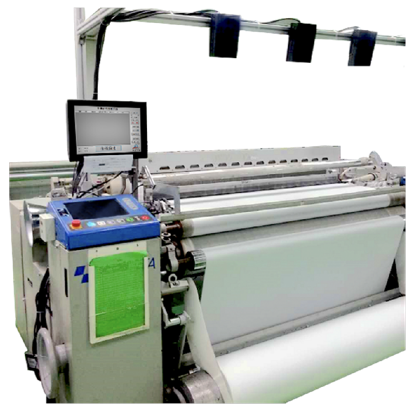
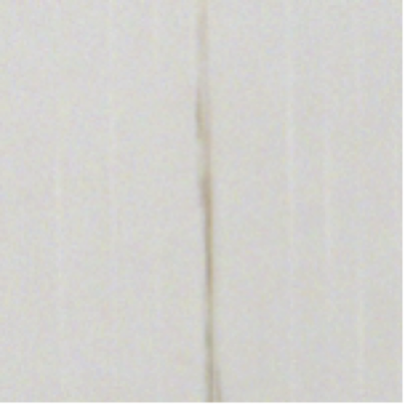
As a strategic basic material widely used in high-end fields such as copper clad laminates and industrial tapes, the market demand for fiberglass cloth is upgrading towards thinner, lighter, more even, and lower defect rates. Currently, fiberglass weaving generally uses air-jet looms. During the shedding and weft-beating processes, the warp yarns are subjected to repeated friction and tension, making them highly susceptible to breakage, leading to problems such as warp breaks and broken fibers. In traditional production, warp breakage detection relies on manual inspection by machine operators, which suffers from significant response delays and missed detections, becoming a key bottleneck restricting the industry's ability to improve quality and efficiency.
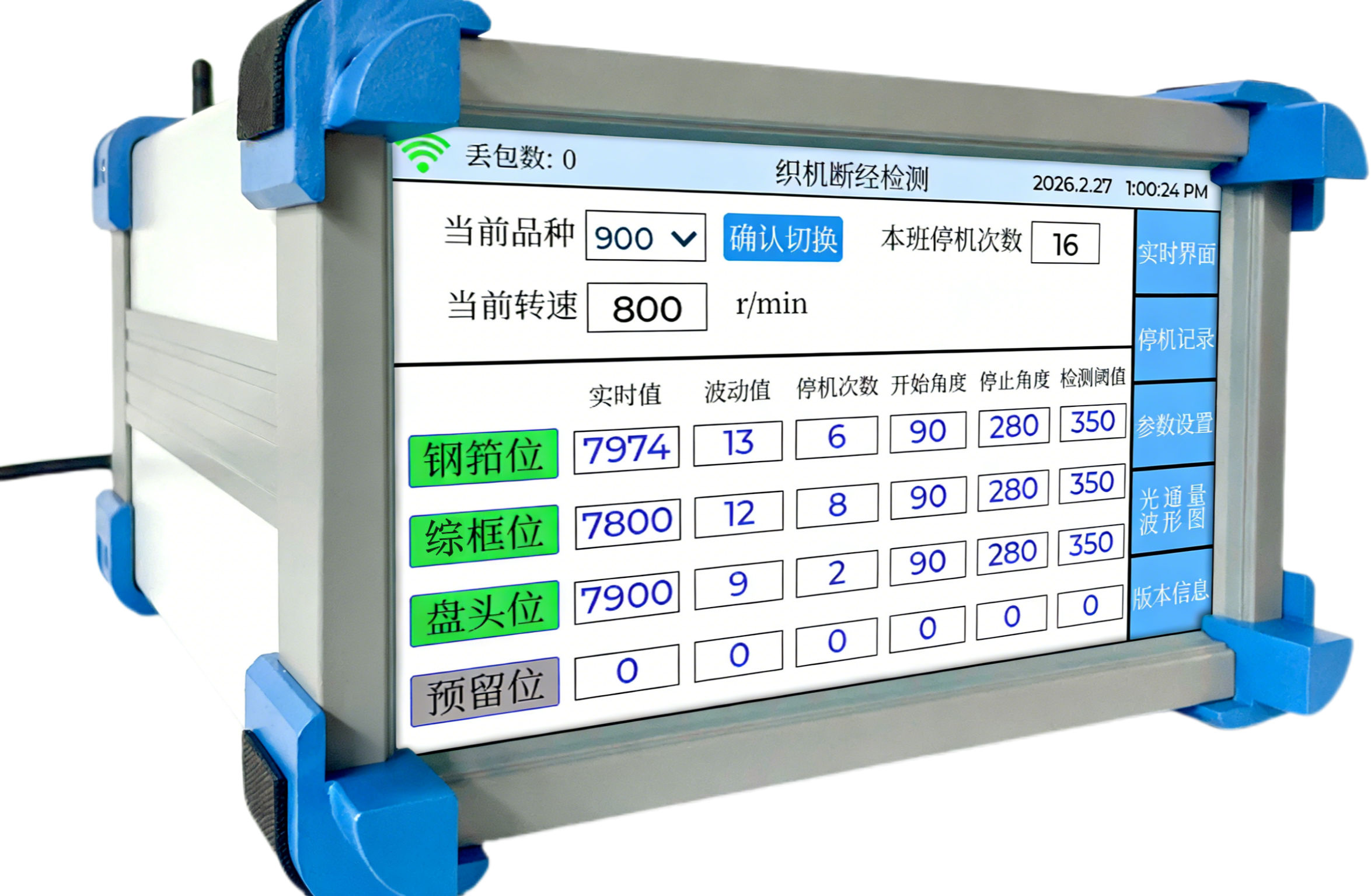
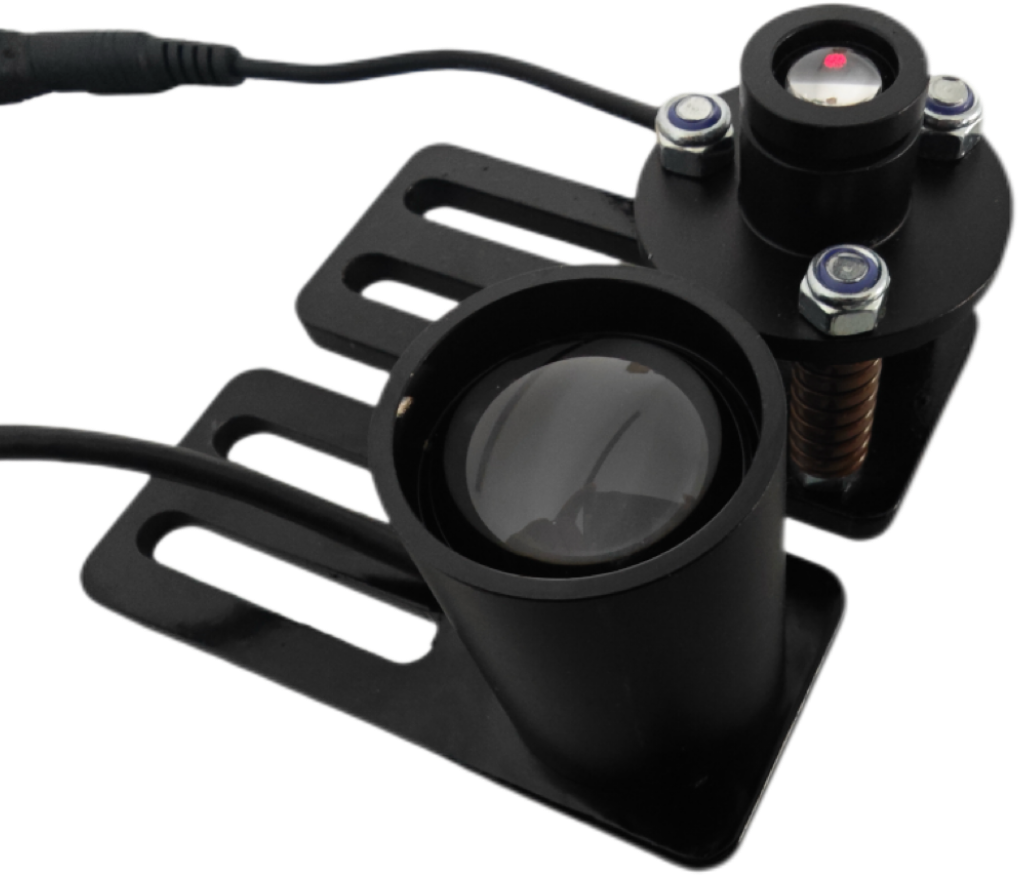
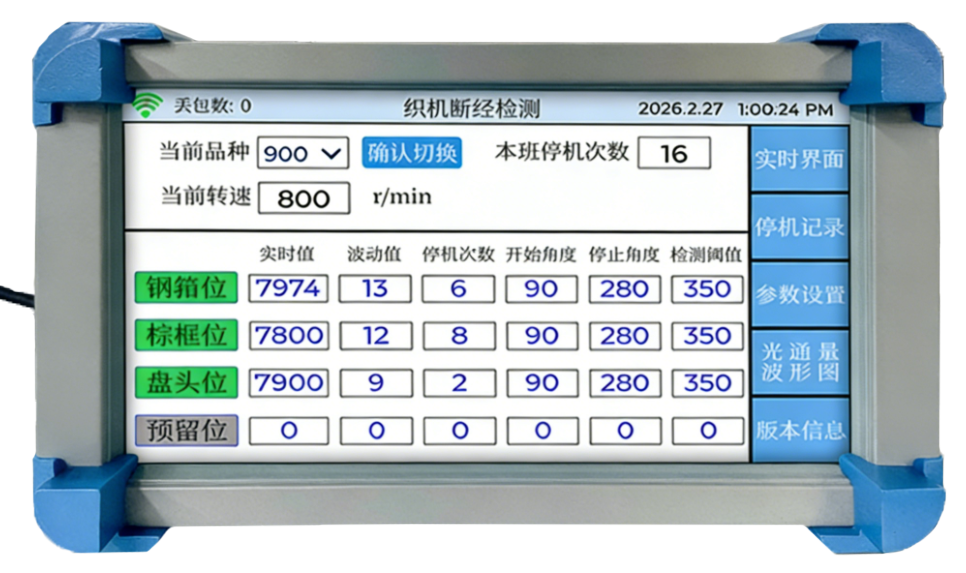
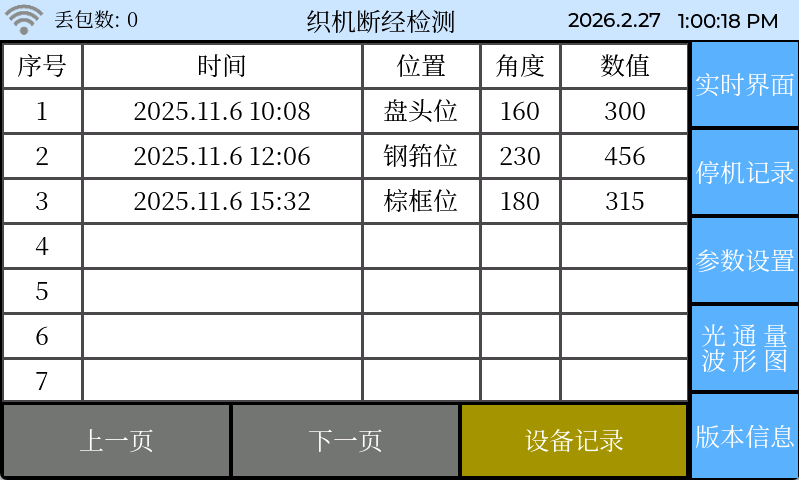
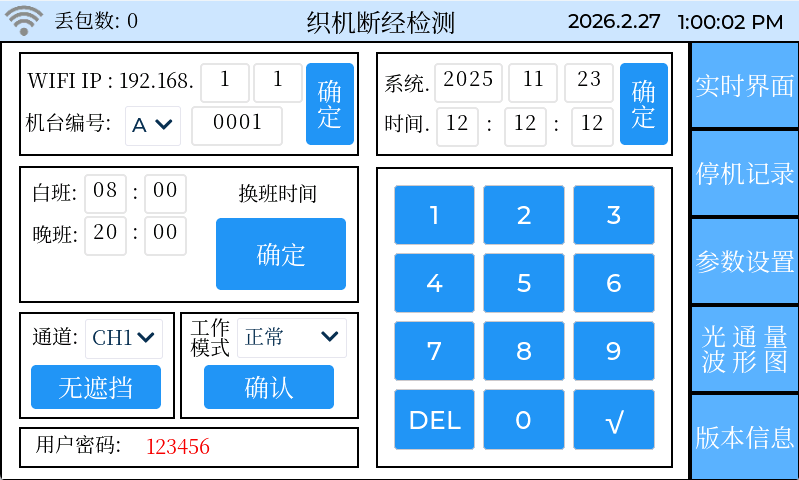
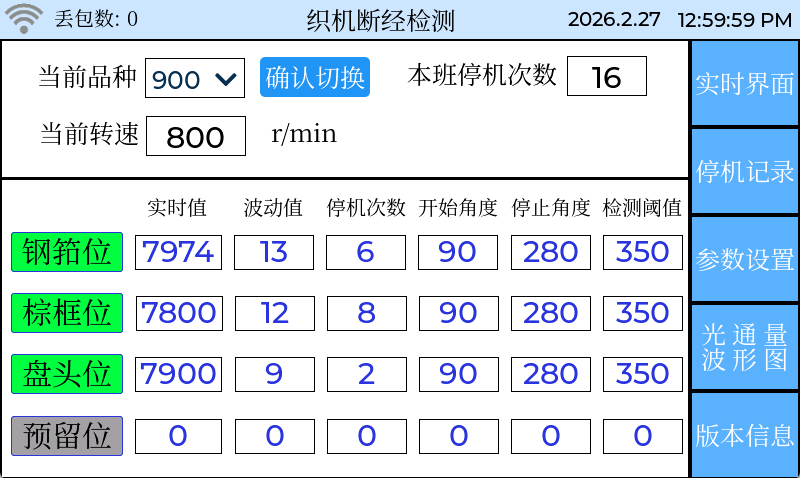
The warp breakage detection system (HD-DJJC) adopts a core design of "three-point laser beam detection + TM0 signal synchronization of the loom". It deploys detection units at three key positions: the warp beam exit and before and after the weaving point. Combined with the TM0 signal of the loom, it accurately controls the detection timing, adapts to complex weaving conditions, realizes real-time monitoring of warp breakage and immediate alarm of abnormalities, effectively solves the traditional detection problems, and helps the industry improve quality and reduce costs.
 Inquiry Hotline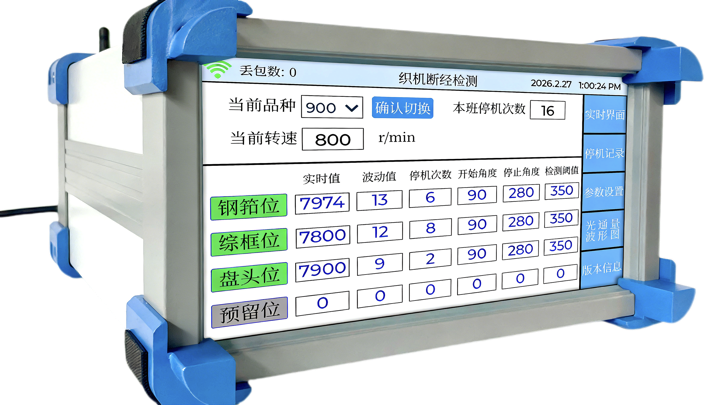
 All Products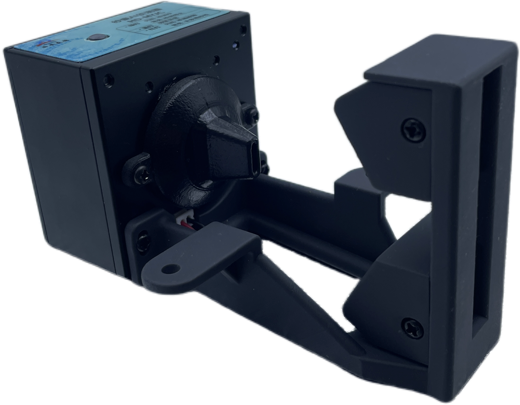
Online message